
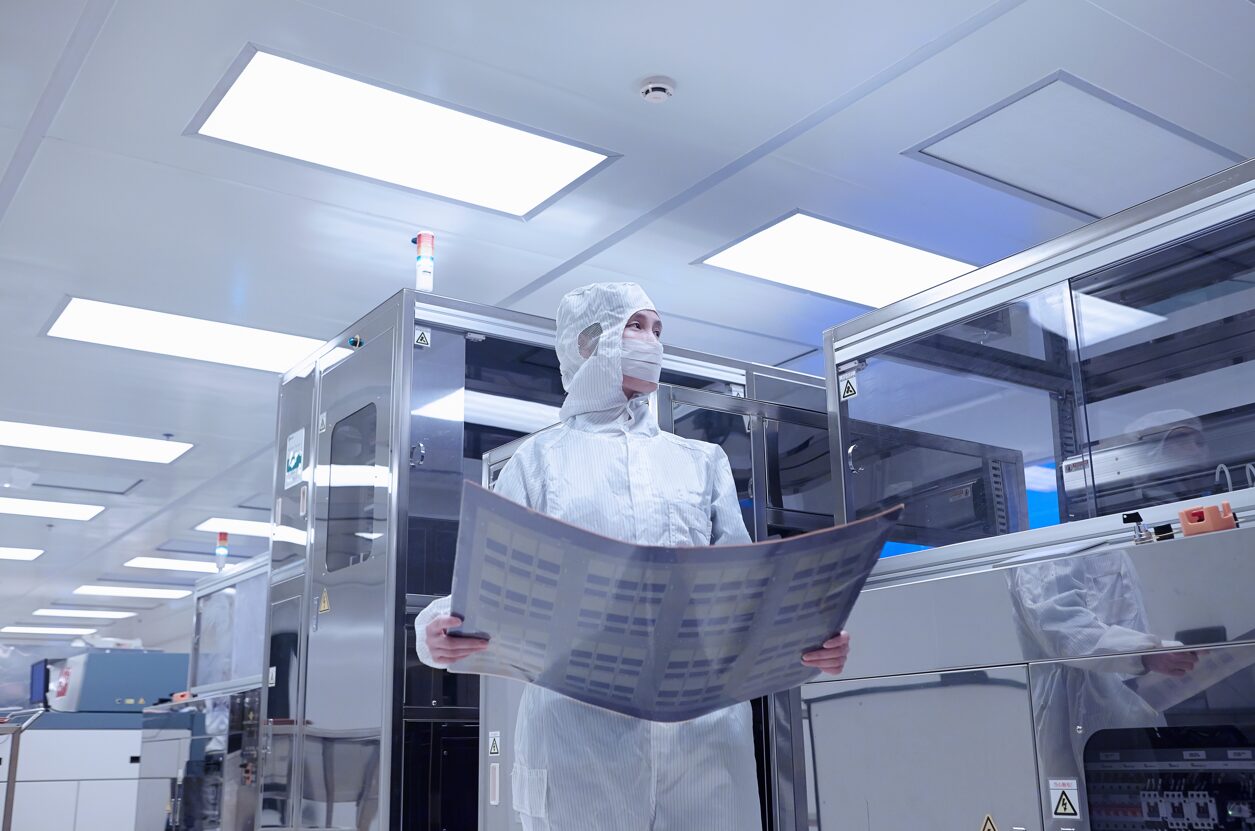
Ensuring the highest level of sanitation in high-tech manufacturing facilities is crucial for operational excellence. Beyond protecting product integrity, rigorous sanitation protocols safeguard employee health and ensure full compliance with industry regulations and global standards.
But how can you maintain impeccably sanitized environments without compromising productivity? In this article, we explore advanced sanitation strategies that are efficient, effective, and specifically tailored to meet the stringent demands of high-tech manufacturing environments.
Understand the Unique Needs of High-Tech Manufacturing Spaces
High-tech manufacturing environments present specialized sanitation challenges. From intricate, sensitive equipment to stringent regulatory requirements, maintaining cleanliness demands precision and strict adherence to protocols that often exceed those in conventional industrial settings. The first step in crafting an effective sanitation plan is understanding these unique needs.
Maintaining a contamination-free environment is critical not only for product quality but also for regulatory compliance. Sectors like electronics, biotechnology, semiconductor manufacturing, and pharmaceuticals demand contamination control at microscopic levels—where even the tiniest particles can cause defects or disrupt processes. Customizing your sanitation strategy to align with your industry’s specific standards ensures higher product reliability and seamless regulatory adherence.
Utilize State-of-the-Art Cleaning Technologies
Sanitation technology continues to evolve rapidly, offering cutting-edge tools that enhance cleaning efficiency and efficacy. Innovations such as UV-C light disinfection systems, electrostatic sprayers, and autonomous cleaning robots have revolutionized sanitation workflows in manufacturing facilities.
UV-C technology uses ultraviolet light to inactivate harmful microorganisms without relying on harsh chemicals, making it ideal for environments containing sensitive electronics or precision instruments. Electrostatic sprayers apply disinfectant uniformly with 360-degree coverage, reaching hard-to-access surfaces with minimal waste. Meanwhile, autonomous robots automate routine cleaning tasks, reducing labor costs and minimizing operational disruptions.
Investing in these advanced technologies accelerates sanitation cycles while enhancing overall cleanliness, enabling facilities to sustain high production throughput without compromising hygiene standards.
Leverage Certified Cleanroom Cleaning Professionals
Certified cleanrooms require specialized cleaning expertise to maintain stringent contamination control. Engaging ISO classified cleanroom cleaning providers guarantees compliance with international cleanroom standards such as ISO 14644 and Good Manufacturing Practice (GMP) guidelines. These experts implement validated cleaning protocols, use sterile equipment, and wear protective apparel designed specifically for high-tech manufacturing environments.
Partnering with certified cleanroom cleaning specialists minimizes contamination risks and underscores your company’s commitment to quality and regulatory compliance. Their expertise is vital for sustaining controlled environments critical to sensitive manufacturing operations.
Implement a Comprehensive Cleaning Schedule
Consistent sanitation depends on meticulously planned cleaning schedules tailored to your facility’s operational demands. Identify high-touch surfaces, machinery prone to dust accumulation, and critical zones requiring frequent attention.
Establish clear cleaning intervals—daily, weekly, monthly—and ensure all staff are thoroughly trained to follow these protocols diligently. Additionally, document your sanitation activities with detailed documentation. Maintaining precise cleaning records fosters accountability, streamlines auditing processes, and supports continuous operational improvements.
Adopt HEPA-Filtered Systems and Air Purification Techniques
Air quality management is vital in high-tech manufacturing environments, where airborne contaminants can jeopardize product safety and employee health. Installing High-Efficiency Particulate Air (HEPA) filtration systems effectively captures microscopic particles such as dust, allergens, and microorganisms, creating a contaminant-free atmosphere.
Advanced air purification technologies—like bipolar ionization, photocatalytic oxidation, and UV-C air sterilization—further neutralize airborne pathogens. Regular maintenance, including timely filter replacements, is essential to sustain system performance and prevent contamination buildup.
Use Eco-Friendly Cleaning Agents
Sustainability is increasingly important in manufacturing operations, extending into sanitation practices. Utilizing eco-friendly cleaning agents supports environmental protection while safeguarding sensitive equipment and personnel.
Choose cleaning solutions that are non-toxic, biodegradable, and free of harsh chemicals yet highly effective against dirt, grease, and pathogens. Many green-certified agents are formulated specifically for high-tech manufacturing spaces, delivering thorough cleaning outcomes without compromising safety or regulatory compliance.
Upgrade Employee Training Methods
Even the most advanced sanitation technologies require skilled personnel for effective deployment. Providing regular, updated training on new cleaning technologies, protocols, and compliance requirements is essential.
Offer hands-on, simulation-based training programs that empower employees to identify contamination risks and execute cleaning procedures correctly. A well-trained sanitation team improves operational efficiency, minimizes human error, and ensures consistent adherence to stringent quality standards.
Optimize Waste Disposal Practices
Effective sanitation also encompasses responsible waste management. High-tech manufacturing often produces hazardous or regulated waste streams that require proper segregation, handling, and disposal. Implement transparent labeling systems policies that guide employees on waste categorization and equip sanitation teams with appropriate protective equipment.
Adherence to local, national, and international waste disposal regulations reduces environmental impact and protects your facility from legal liabilities. Consider advanced waste treatment solutions such as compaction, incineration, or recycling programs aligned with your sustainability objectives.
Prioritize Regular Audits and Monitoring
Maintaining exceptional cleanliness standards requires continuous evaluation. Routine sanitation audits help uncover vulnerabilities in cleaning processes and identify opportunities for improvement.
Audits should include reviewing facility logs, inspecting critical zones, and gathering feedback from cleaning personnel. Staying current with evolving sanitation regulations and emerging best practices ensures your facility remains compliant and at the forefront of industry standards.
Sanitation in high-tech manufacturing goes beyond mere compliance—it forms the foundation for operational excellence and innovation. By adopting cutting-edge sanitation technologies, leveraging certified cleaning professionals, and prioritizing continual training and monitoring, manufacturers can protect their processes, workforce, and products effectively.
Enhance your facility’s sanitation program today by integrating these proven strategies and collaborating with industry experts. Start your journey toward a cleaner, safer, and more productive manufacturing environment!
Additionally, if you want to learn more about 5 Cost-Effective Storage Solutions for Your Growing Agriculture Business, visit our Small Businesses category for comprehensive resources and expert insights.
As the high-tech manufacturing sector evolves, so too do the requirements for pristine, contamination-free environments. Recent trends include the deployment of IoT-enabled sensors to monitor sanitation status in real-time, predictive maintenance for cleaning equipment, and AI-driven autonomous cleaning robots that optimize sanitation routes and schedules. These innovations enhance operational efficiency and enable proactive contamination control—minimizing downtime and elevating product quality. Keeping pace with these technological advancements empowers facilities to maintain impeccable sanitation standards and gain a competitive edge in the fast-paced high-tech industry.
Maintaining cleanliness in high-tech manufacturing also demands integrating cross-functional collaboration between engineering, quality assurance, and sanitation teams. Establishing clear communication channels ensures that sanitation protocols align with production schedules and quality goals. Additionally, leveraging data analytics to monitor the effectiveness of cleaning routines can help quickly identify contamination trends and refine processes. Emphasizing a culture of continuous improvement and proactive risk management further strengthens your facility’s defense against contamination incidents, fostering sustainable operational excellence and high product yield in competitive markets.